New Doors · Toronto
Commercial Sectional Door Repair
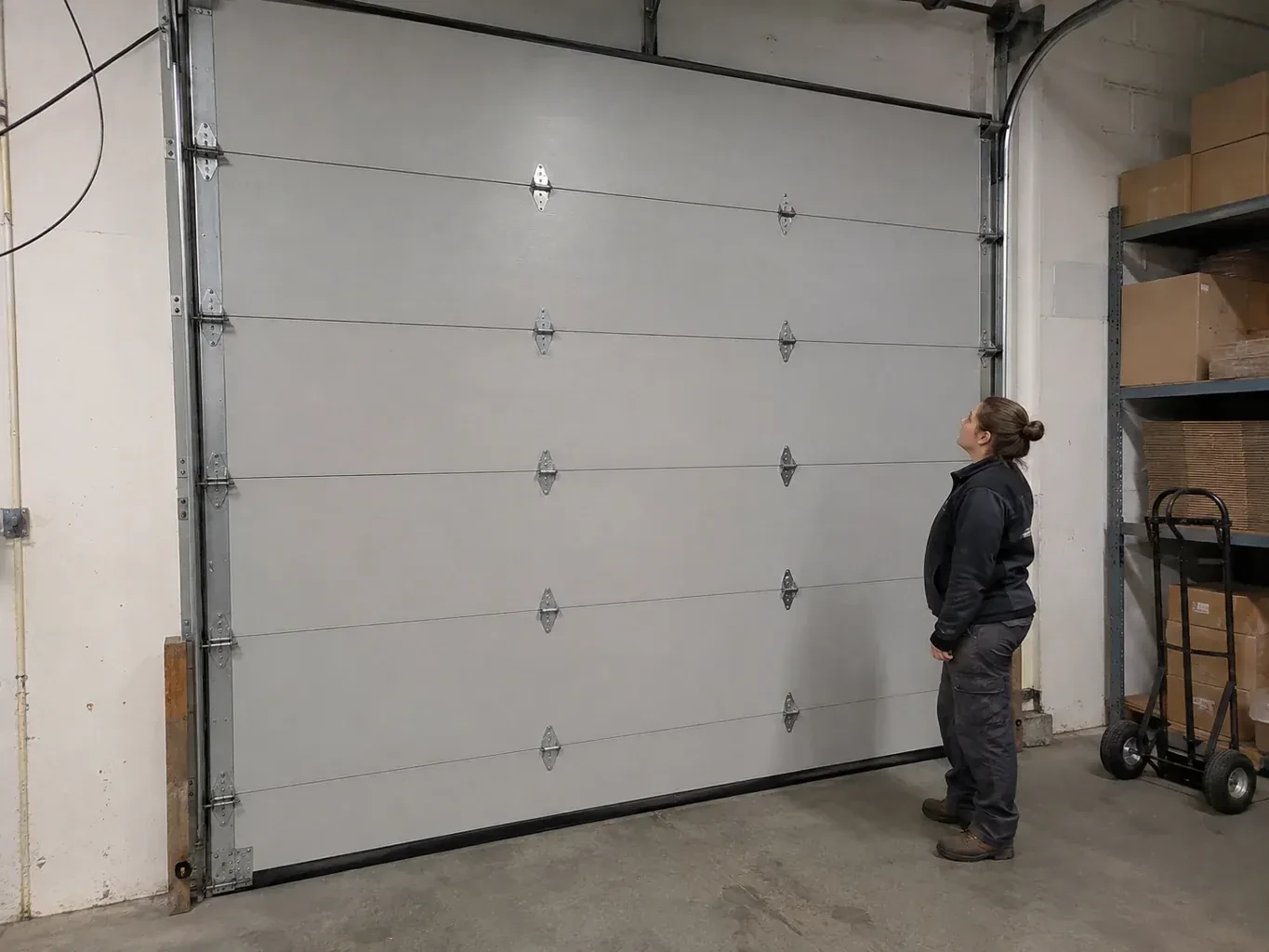
The operator runs and the drive chain moves, yet the sectional door hesitates near the floor. It feels unusually heavy during manual operation, pointing to a counterbalance problem rather than a simple control-station fault.
Commercial Sectional Door Repair
In plain words
Impact repair is more than flattening a dented panel. The damaged section may have transferred force into an end stile, hinge, roller carrier, vertical track or jamb attachment. The repair therefore follows the load path from the contact point into the supporting hardware. A replacement section or reinforcement is matched to the door construction, track spacing is restored, and every affected connection is tightened or renewed. Final cycling confirms that the repaired door follows the curve cleanly and seats evenly at the opening.
How the visit goesThe operator runs and the drive chain moves, yet the sectional door hesitates near the floor. It feels unusually heavy during manual operation, pointing to a counterbalance problem rather than a simple control-station fault.
Toronto
How the visit goes
Inspecting the closed opening
A door that leaks air or admits slush is examined in its fully seated position. The technician compares the bottom edge with the floor, checks compression along the seal and looks for a bent retainer or distorted lower section. Side and header weatherstrip contact is observed without forcing the sections against the jambs. Light gaps can also reveal a door that is out of level or a track set too far from the opening. The assessment connects seal condition with landing position so the repair improves fit without creating binding during travel.
Controlling the door before repair
Work begins by separating the bay from normal traffic and placing the door in the safest workable position for the identified fault. Electrical controls are isolated where the task calls for it, and the assembly is held with clamps, locking pliers or rated supports suited to its weight and track type. Stored spring force is managed with proper winding tools and a planned sequence. With movement controlled, hardware can be removed without letting a crooked section, slack cable or broken spring shift the rest of the system.
Useful documentation for a busy facility
The finished record ties the complaint to the actual repair: door identification, parts changed, settings adjusted and functions tested. For properties with many similar openings, assigning a clear asset number to each door prevents service histories from becoming mixed. Cycle demand, collisions and recurring observations can then be logged against the correct bay. This information supports practical maintenance planning and helps the next technician arrive with relevant dimensions and system details, while staff retain a concise reference for normal sound, travel and control behaviour.
Commercial Sectional Door Repair
In the van
- Bottom seal and retainer
- Track brackets and back hangs
- Numbered end hinges
- Commercial rollers
- Bottom fixtures
What affects the quote
Same fees day, night or weekend
1Section construction and finish
Steel, aluminum, insulated sandwich and full-vision sections have different profiles, reinforcement, glazing and hardware patterns that affect matching and replacement scope.
2Extent of impact transfer
A dent confined to one section differs from force that also bent an end stile, roller, guide rail, jamb bracket or supporting anchor.
3Documentation or rated-assembly needs
Door labels, fire-safety records, site procedures and required test documentation can add coordination and component-verification steps to work on a regulated closure.
Commercial Sectional Door Repair: questions
Can one damaged section be replaced on its own?
Often it can, provided a compatible section is available and the surrounding panels, end stiles and hardware remain serviceable. Matching involves more than width and height: thickness, profile, insulation, joint shape, reinforcement and hinge pattern all matter. The technician also checks whether the impact shifted track or mounting points before deciding that a single-section repair is the right scope.
Why does the door reverse near the floor?
A reversal can start with a blocked or misaligned photoelectric sensor, a distorted sensing edge, resistance in the track, an incorrect close limit or a control-circuit issue. Inspection covers the clear opening, sensor alignment and wiring, bottom edge and mechanical travel. The source is corrected first, then the protective response is tested through several complete cycles.
How often should commercial door hardware be inspected?
The appropriate interval follows the door and operator manuals, operating cycles, environment and facility maintenance plan. A heavily used exterior bay may need attention more often than a lightly used interior opening. Staff can still observe cables, seals, sensors, sound and travel during normal operation, while tensioned components and adjustments remain part of a technician's planned inspection.
Installation & Upgrades
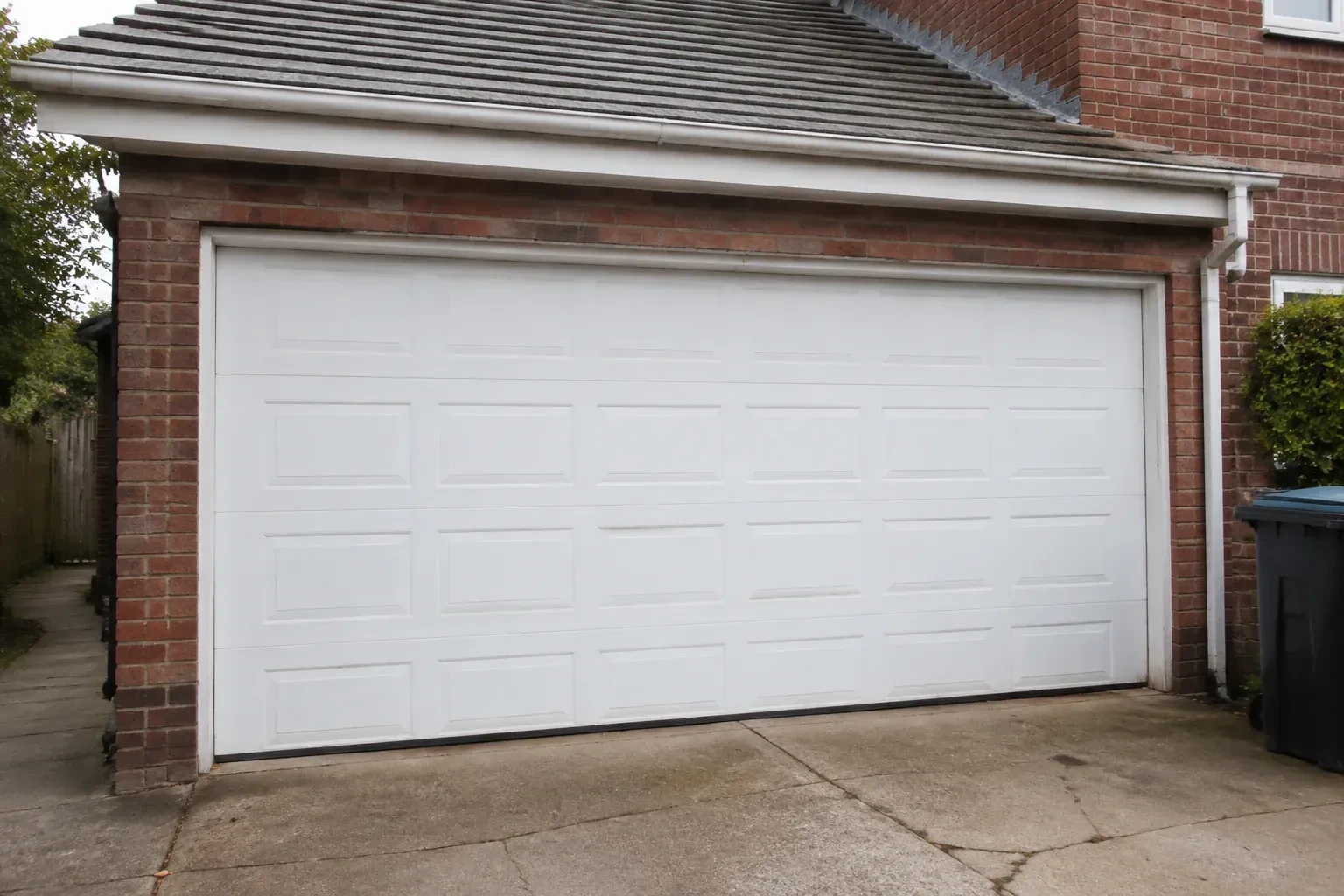
- Insulated Steel Garage Door InstallationThe existing door opens on old tracks that crowd storage near the ceiling.
- Wind-Rated Garage Door ReplacementA recent wind event left one section slightly creased, a strut twisted, and several track fasteners…
- Carriage-House Garage Door InstallationTwo garage openings sit side by side, and small differences in window spacing or decorative…
Commercial Sectional Door Repair near you
The garage door services we bring to Toronto fall into four groups: repair and maintenance for doors that are sticking or noisy; springs and lifting hardware; openers, remotes and access; and new door installation or upgrade for homes and businesses that are ready for a change.